As my erudite colleague recounts: “Ship KEILA, what you would call a tramp steamer and ubiquitous for the time, but lovely all the same. Those ships went everywhere with everything imaginable.”
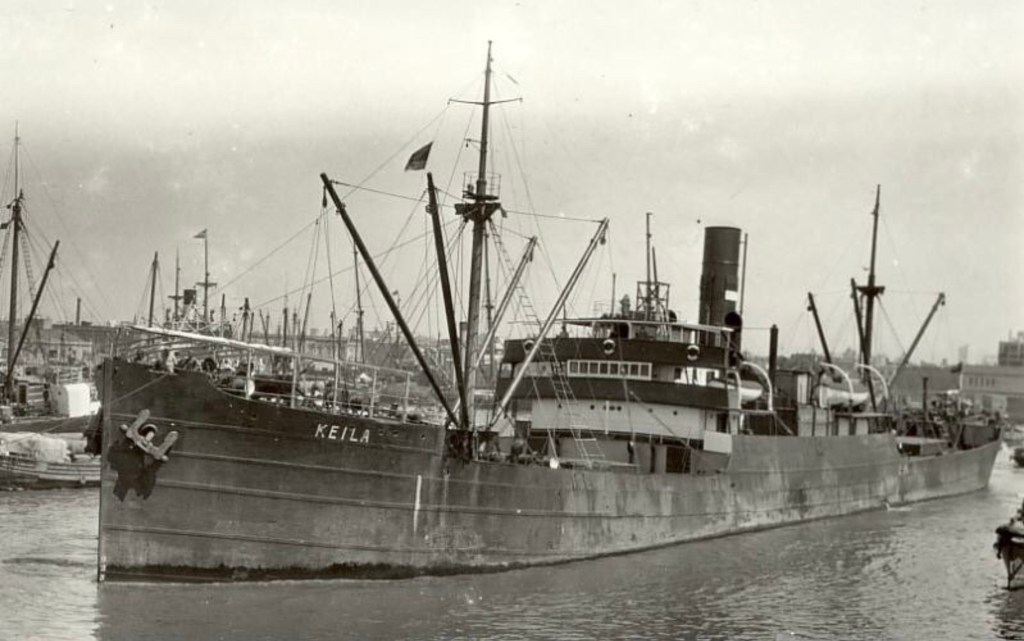
KEILA was an early-20th-century steam cargo ship that carried several names and owners over its life. It was built in England in 1905 (as ZAMORA), renamed BROCKABECK in 1928, and renamed KEILA (registered at Tallinn) in 1932. The hull record shows she was eventually broken up in the late 1950s.
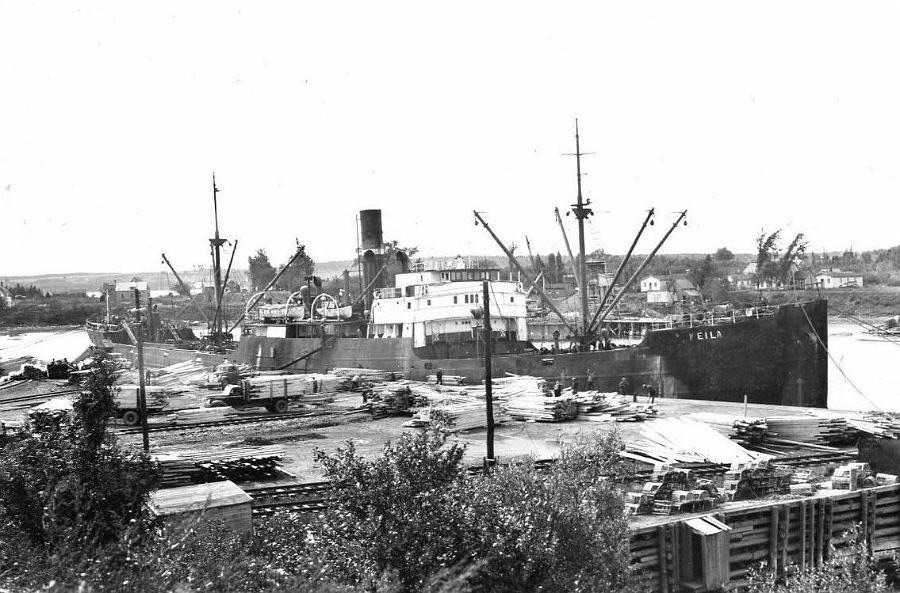
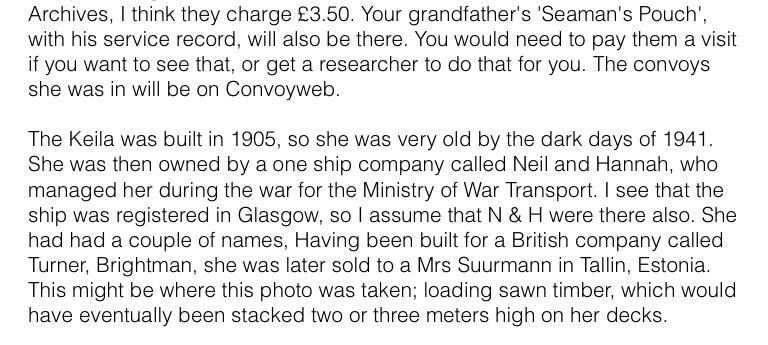
WWII archivist David Tranter, UK
By 1940–41 she was operating under Soviet control and used as a transport during the Baltic campaigns.
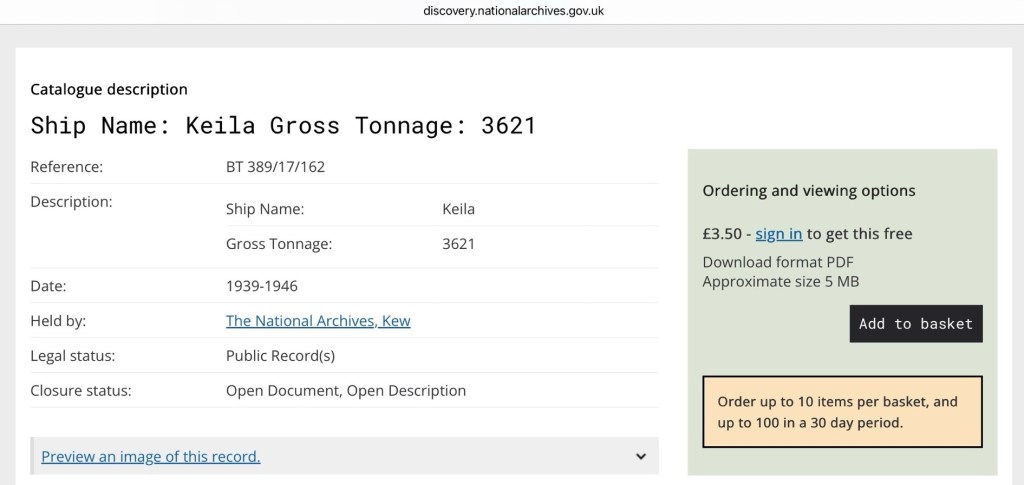
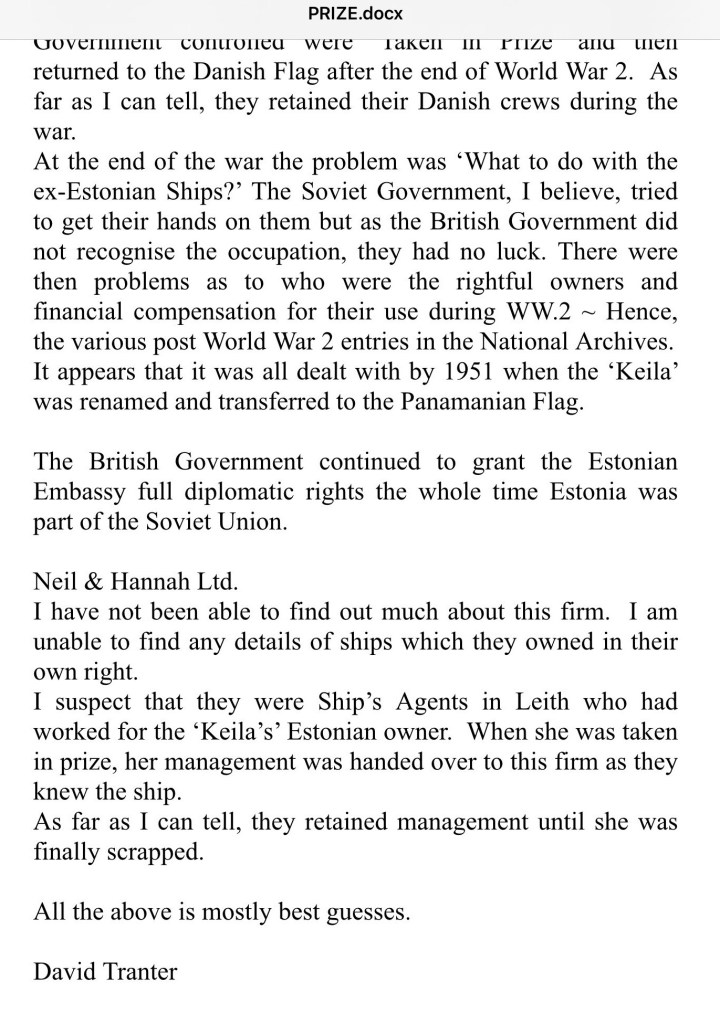
Here is a openable document about KEILA’s general operations and with some hints of mechanical troubles and other legal issues. Quite a unique find and it appears to be anonymous.
This kind of file that would be of interest typically contains factual chronology, dates of requisition/seizure, reports of damage, and statements about loss of use — precisely the material that could reveal an unusual episode if one existed.
Of significant note; February 22, 1941 KEILA was attacked, actually she was bombed by German aircraft during WWII operations but was not lost.
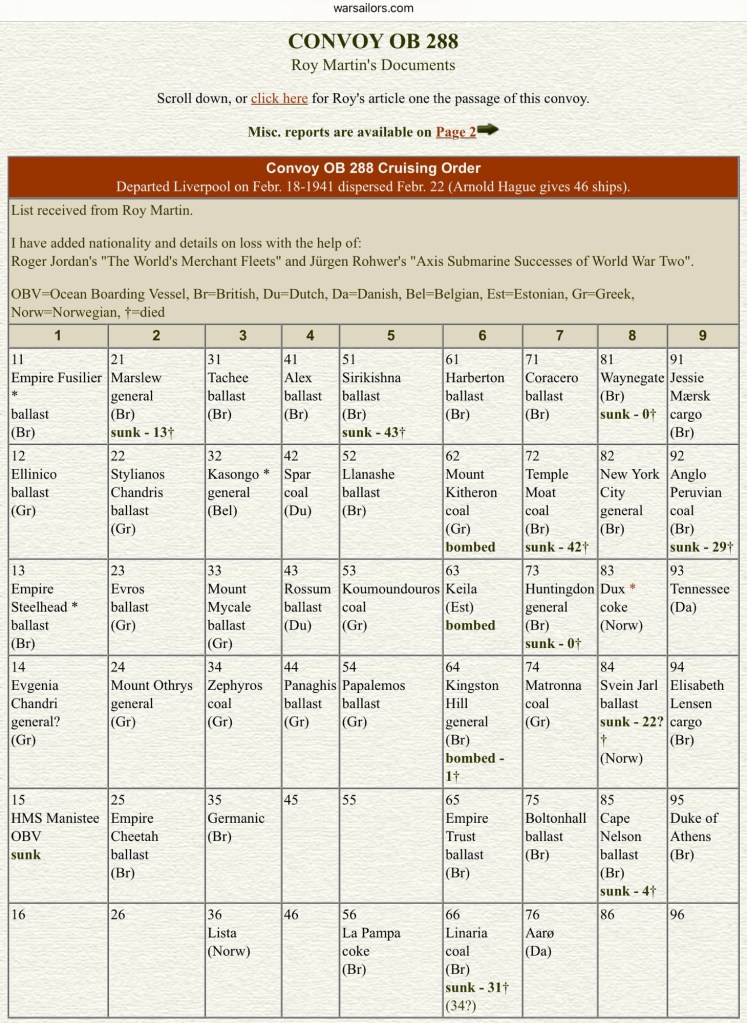
Some earlier research refer to her being torpedoed but often this gets confused given the reported presence of both aircraft and submarine action. Convoy OB 288 website includes further details.
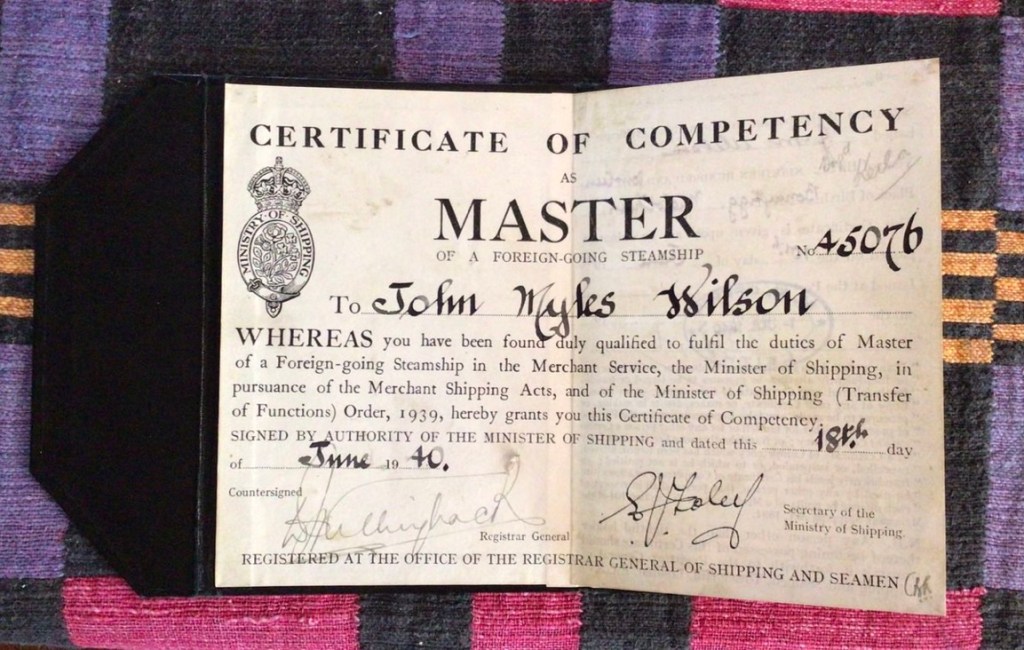
My grandfather John Myles Wilson (b. 1914 in Bonnyrigg, Scotland) and who qualified as a Master merchant seaman told my father and I the story of the WWII aerial bombing of Steamer KEILA on February 22, 1941 (archives on X) Search #JohnMylesWilson
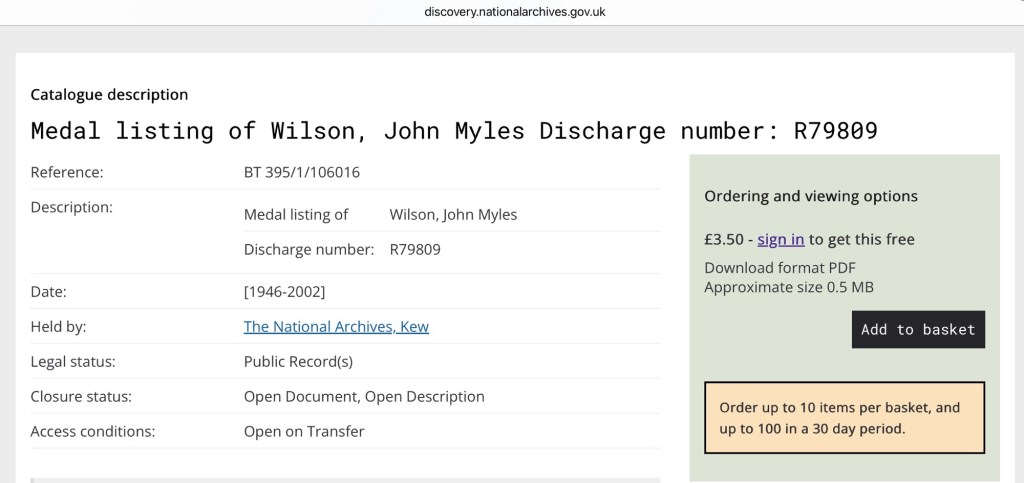
John Myles Wilson, Master Merchant Seaman
Grandad was present and part of the Merchant Navy WWII Convoy Operations. See Lower Island News article and KEILA – WWII Convoy Operations posts on this blog site.

Photographic, archive captions and wartime logs consistently and convincingly reference KEILA in connection with a bombing incident by German aircraft on 22 February 1941. This is undisputed.
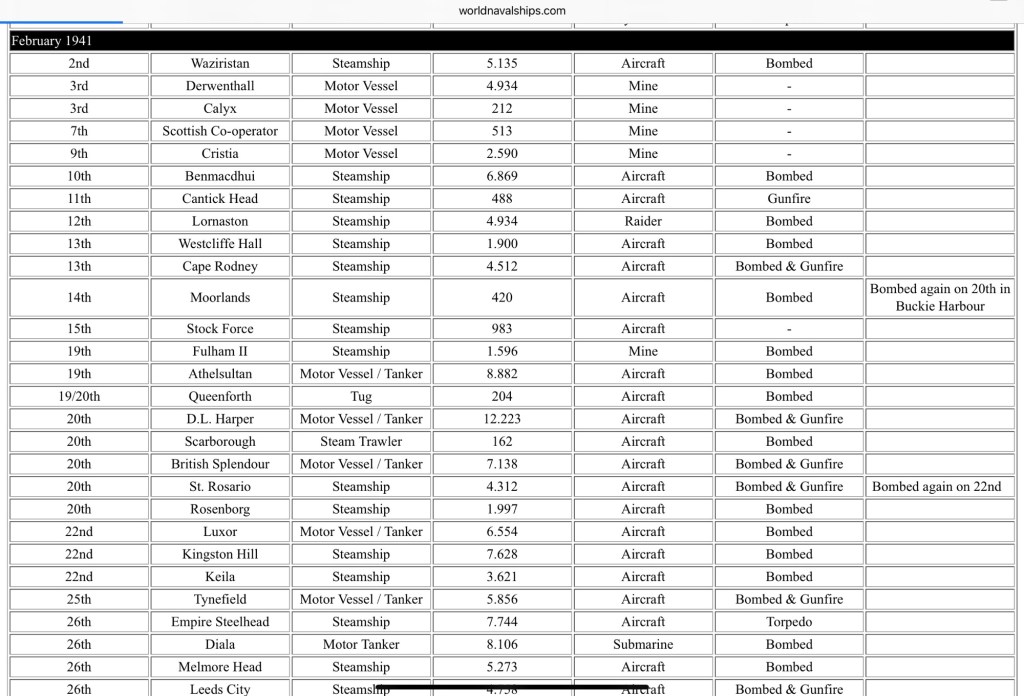
However an authoritative incident report (in government) that gives precise battle-damage details to the steamship itself; I have not found. This wasn’t uncommon if the ship was NOT ‘a loss’ per se; otherwise the loss of a ship (if it sunk) would be recorded.
In terms of the location of the attack, sources such as naval-history.net report agree 59°44′N, 12°33′W which is in the Northeast Atlantic / Western Approaches — well west of the British Isles (in convoy operating area). It is not in the Baltic/Estonian area; this was an Atlantic convoy attack, not an incident off Estonia.
The KEILA survived the attack and made port (Clyde) on her own steam.
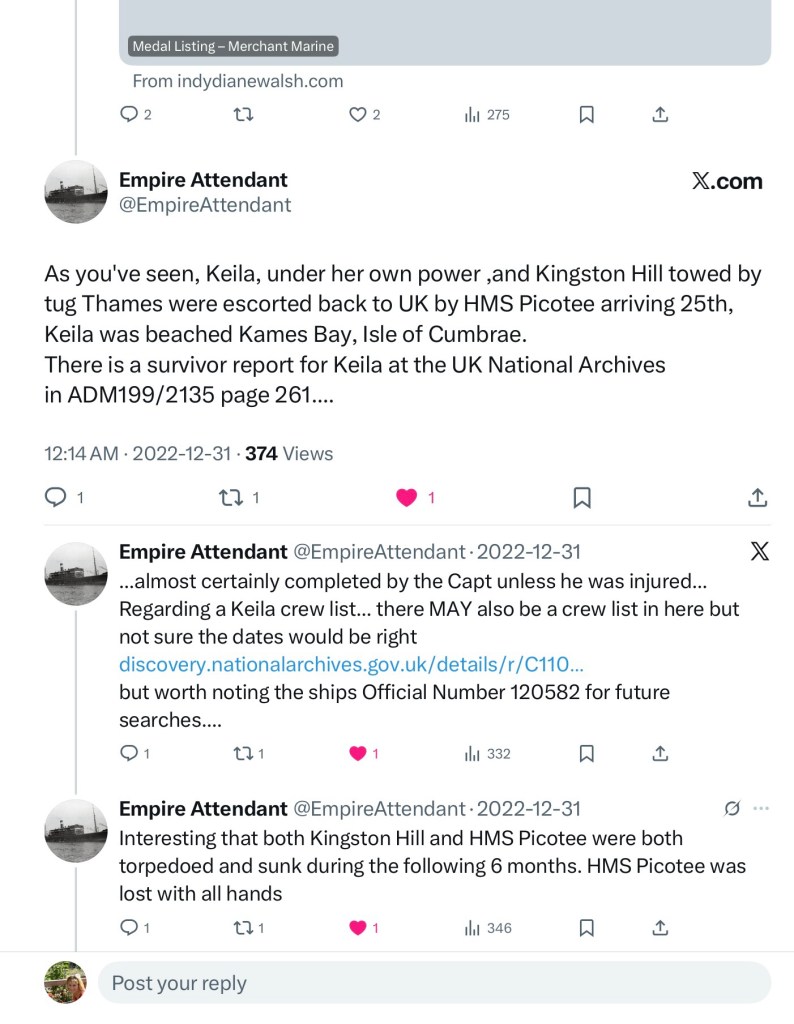
The full circumstances surrounding the needed repairs, the state of KEILA and the state of the men aboard is ambiguous. For instance, Mr. T Shearer signed off on the report. Yet we know that Wilson was Master of S/S Keila. So this makes no sense. It never has. Additional reports here, KEILA, WWII Was Master Merchant Mariner John Myles Wilson injured?—Yes. Here’s what we do know what oral family history: KEILA’s mechanical issues/whereabouts for a time remain in dispute.
If you read the testimony below, you will see there is an odd nonchalance about it which leaves one slightly perplexed.
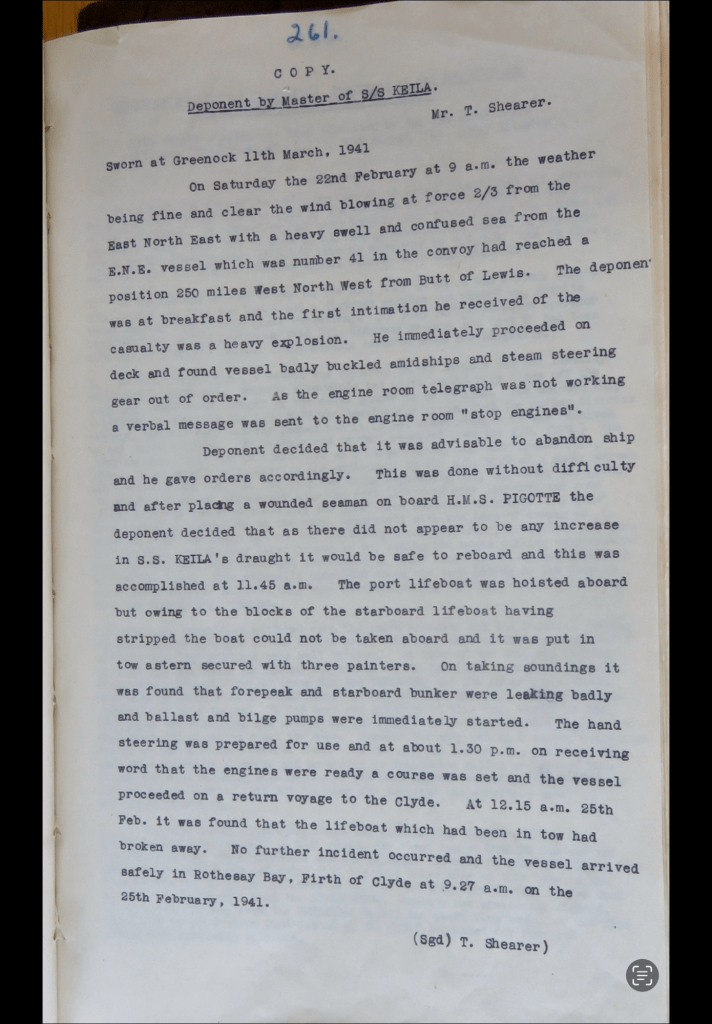
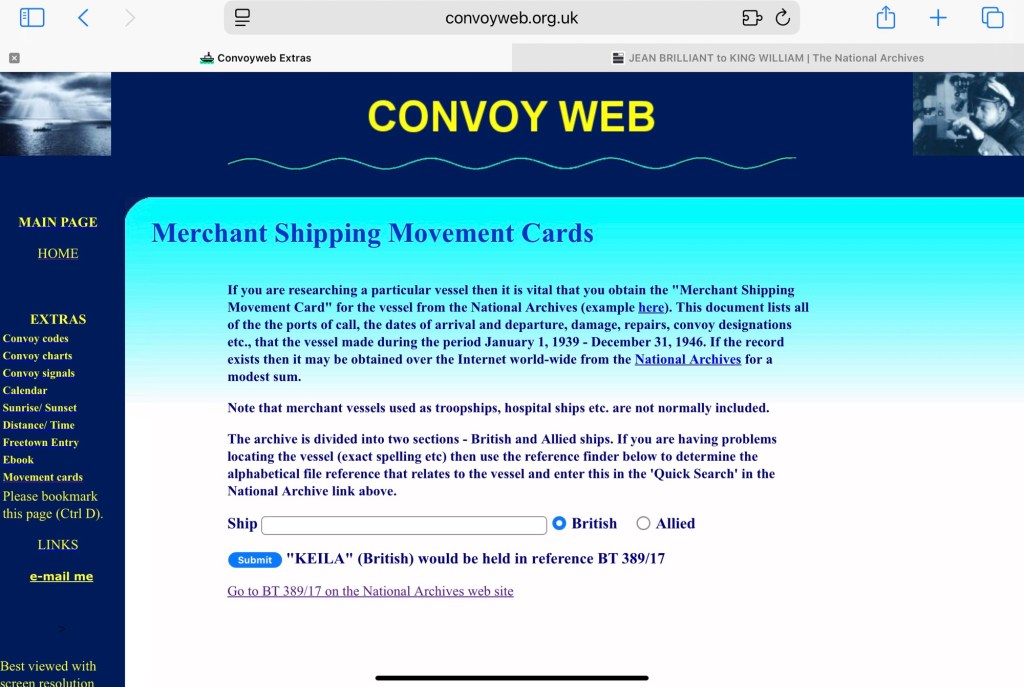
Here are some additional comments from seaman familiar with KEILA. In addition, if you look at the Ship Movement evidence on the day of the attack, the sheet is a confusing mess. Not unusual during wartime but in this case, certain words are hard to decipher.
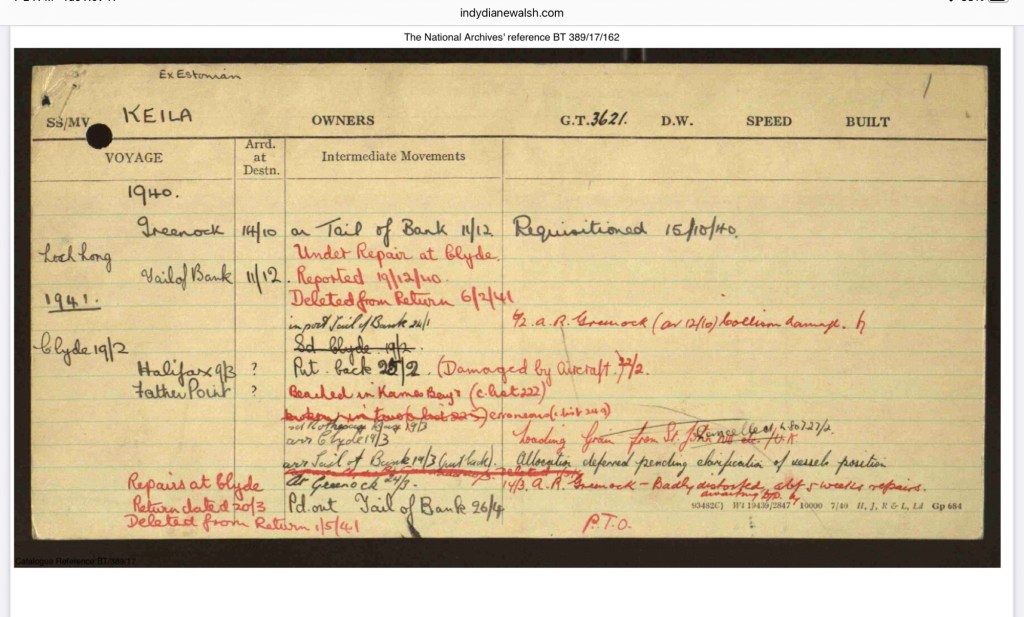
I found this comment stream (which I found) quite poignant. Plus, I found this oddity of an ‘archive’ which says something more about the other strategy circumstances surrounding the attack on the KEILA.
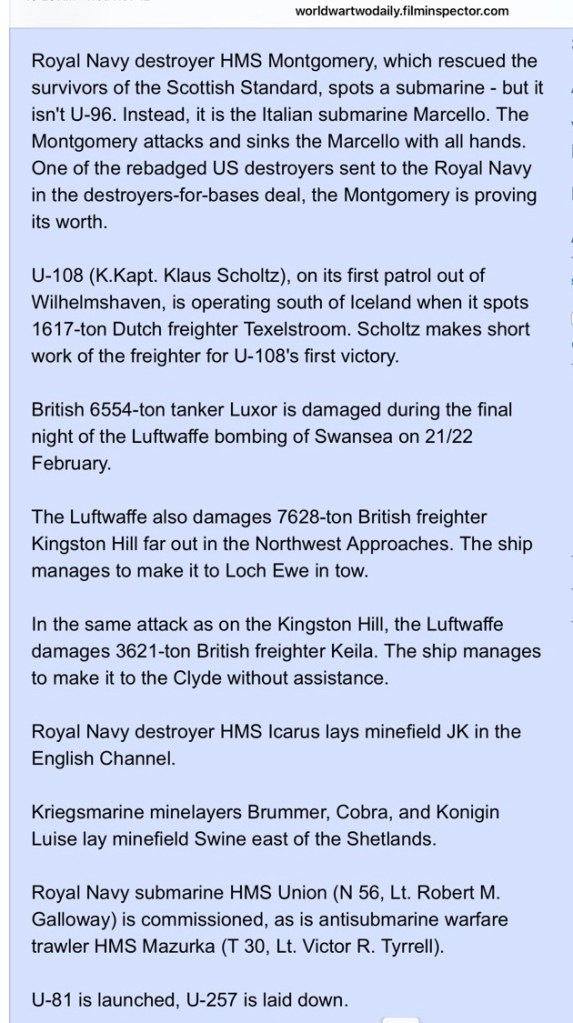
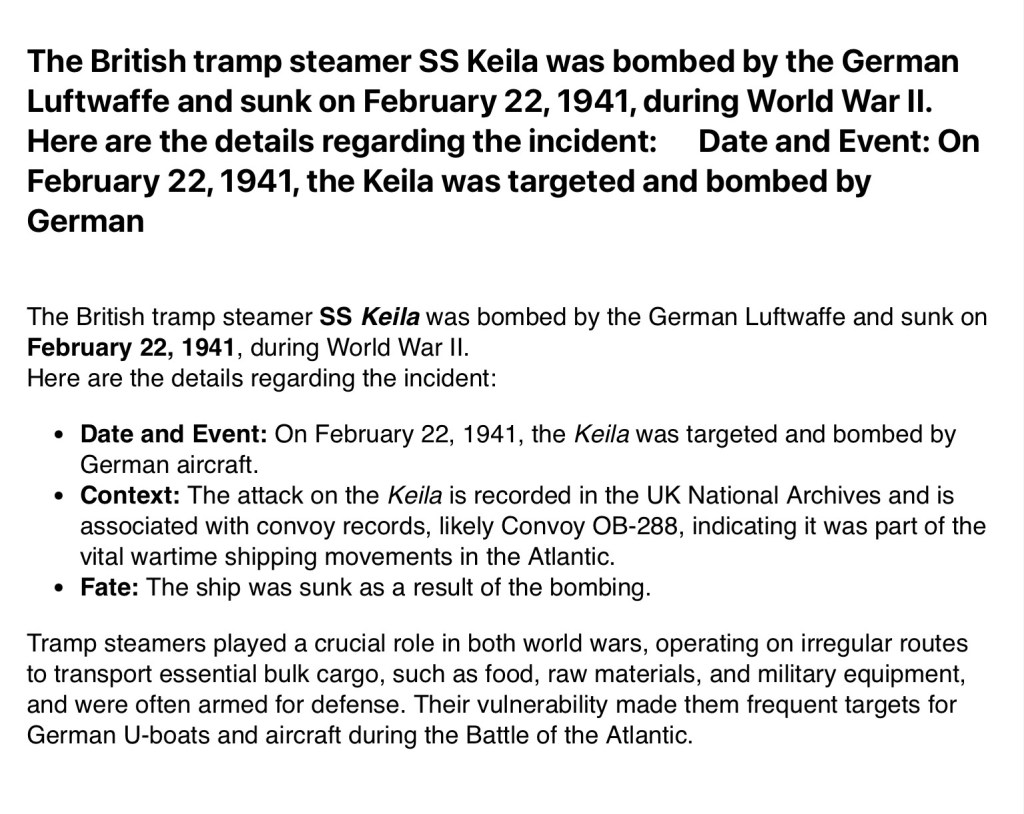
To be clear, KEILA was never sunk.
If you read that on the web using AI, it is WRONG INFORMATION.
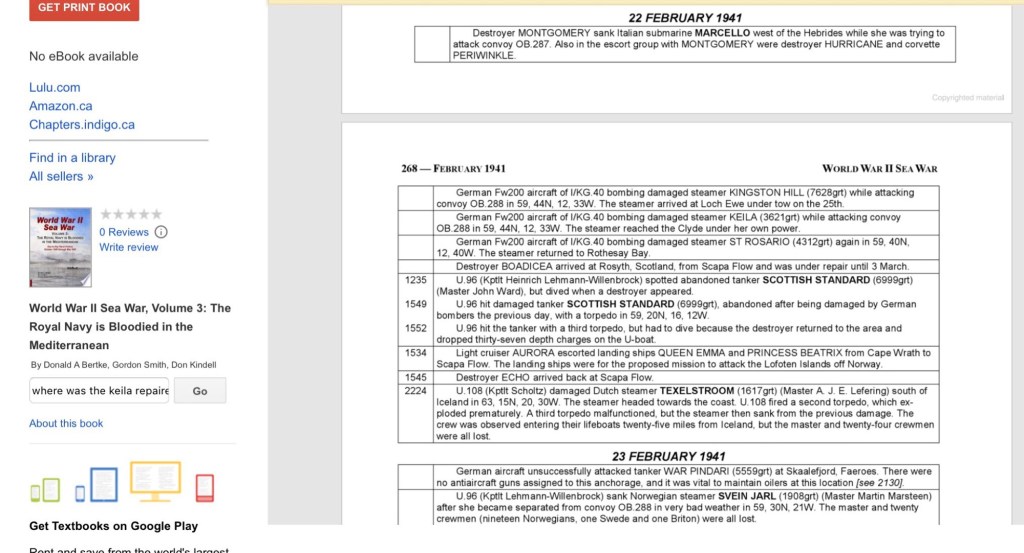
These archives are located at UK National Archives. Let’s look carefully. Does this archive (Ship Movements yellow sheet) say KEILA was ‘beached’?
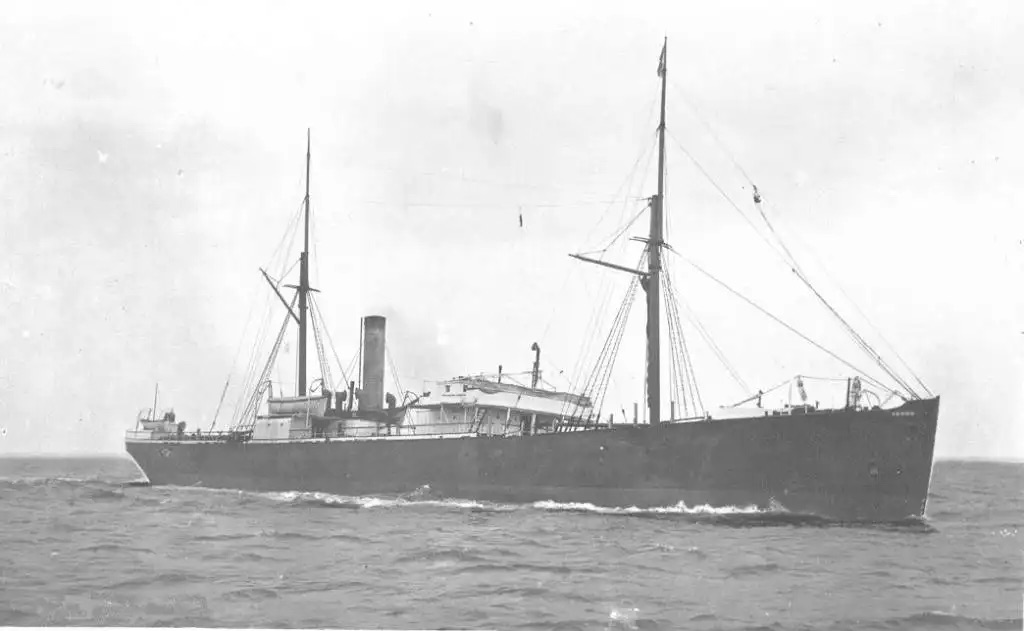
And so to summarize the life of KEILA a long working steamship — and to leave you with some meaningful pictures of records, I say friends: hope you enjoyed learning more about this extraordinary ship.
• Built: 1905 in England by J. L. Thompson & Sons (entered service as ZAMORA).
• Tonnage (approx): ~3,600–3,602 gross register tons (sources vary slightly).
• 1905: ZAMORA (original name).
• Type: Steel steam cargo ship (single-screw steamer / freighter).
Name changes / ownership
• 1928: Renamed BROCKABECK (source listings record a name change in the late 1920s).
• 1932: Renamed KEILA and registered at Tallinn (Estonia).
Wartime service — WWI & WWII (what’s known)
WWI era: The original ZAMORA name appears in British merchant ship listings for the WWI period (ships built for Turner, Brightman & Co.); merchant steamers of this class/era commonly were armed or placed on wartime service. (Detailed WWI movements are fragmentary in public online indexes.)
Between wars: Commercial trading under different owners and flags; renamings indicate transfers of ownership/registration through the interwar period.
WWII era (Estonia): After the Soviet occupation of Estonia in 1940, vessels registered at Tallinn (including KEILA) came under Soviet control or requisition for military transport. Some reports say, Tallinn and its harbour were heavily contested in 1941 (evacuations, bombings, minefields). These incidents if and when they occurred should not be confused with the February 22. 1941 reported attack discussed here.
Fate of KEILA
Ultimate fate: Lloyd’s ship-builder and shipping-list summaries show the ship (original hull) survived the wars and was broken up in Q1 1959 at Krimpen (Netherlands) — i.e., scrapped rather than lost at sea during WWII. That breakup date matches the hull-record entries compiled on ship-building and mercantile registries.
Also, some additional narratives by archivist ship enthusiasts noted below: “KIELA left Clyde on 19/2, Damaged by aircraft 22/2, arrived Greenock for repairs 24/3.”
“The ship was initially abandoned and later re boarded, temporarily repaired and sailed under its own steam to the Firth of Clyde where it arrived at 9:27 am on February 25, 1941; the original attack having been at 9:00 am on February 22 – only three days earlier. There was only one casualty who was taken aboard HMS PIGOTTE who came to the rescue. I have the sworn statement of the incident by the Master of the KIELA and I can send you a copy if you wish.
“History: The KIELA was launched in 1905 as the ZAMORA and changed hands in 1928 to become the BROCKABECK. This was then sold in 1932 to become the KIELA and later in 1951 it again changed hands to become the LINDA. The ship was eventually broken up in Holland in 1959.”
— Mike Holdoway, United Kingdom, February 14, 2021.
Convoy data can be found using the ‘ship search’
http://www.convoyweb.org.uk/ports/index.html?home.php~armain
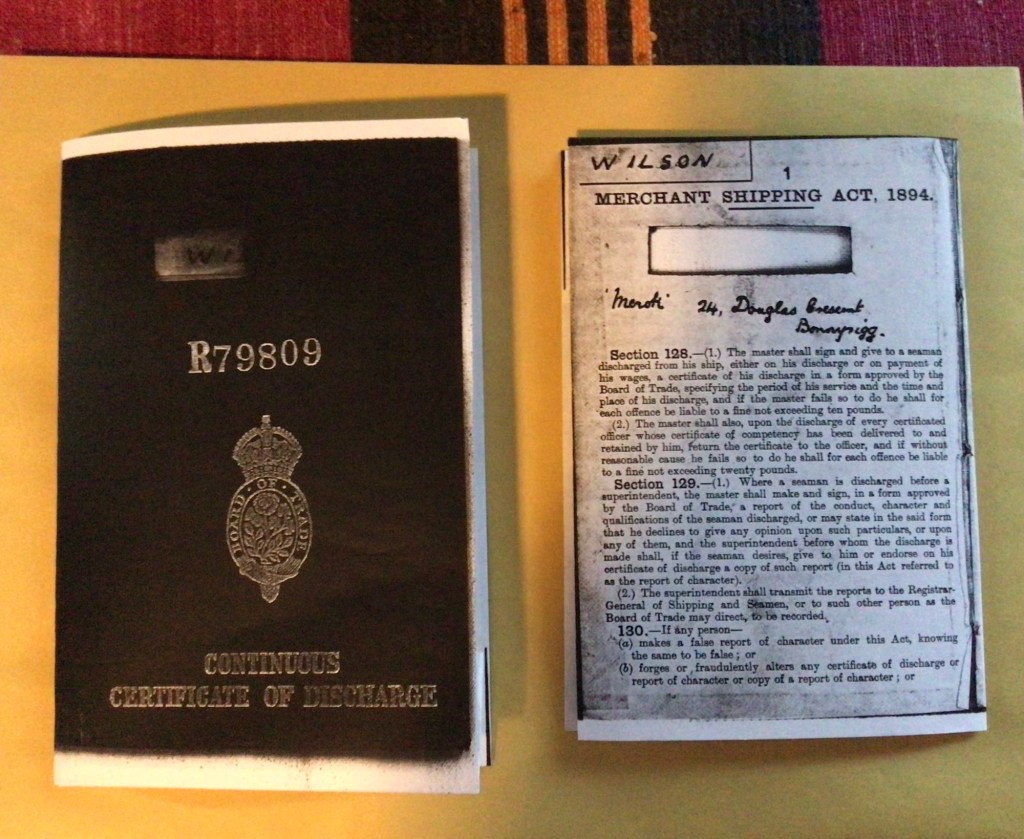
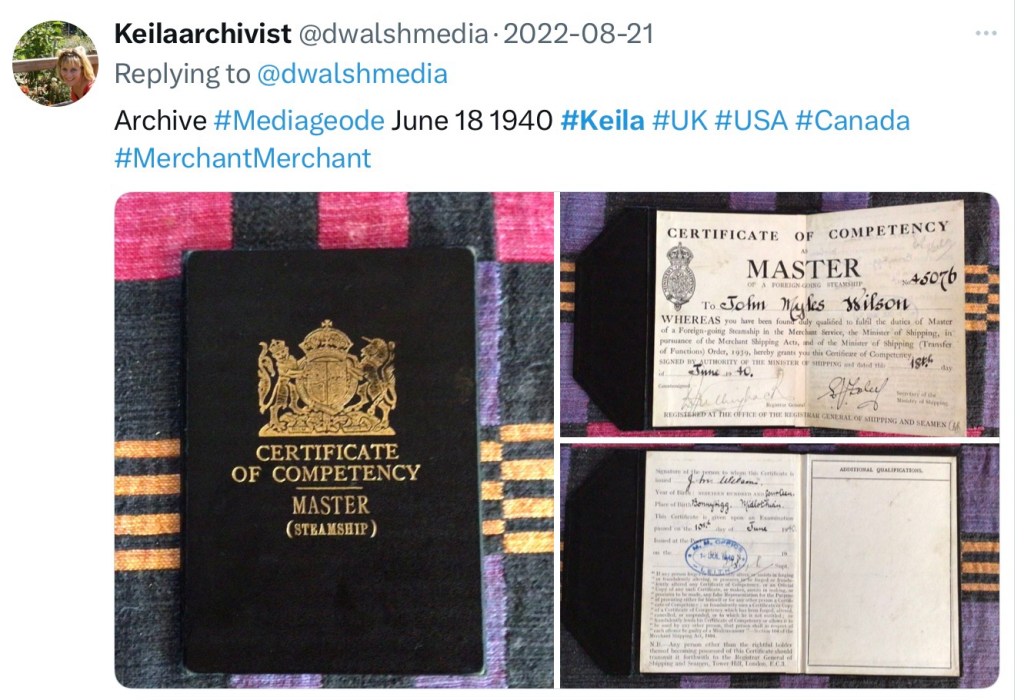
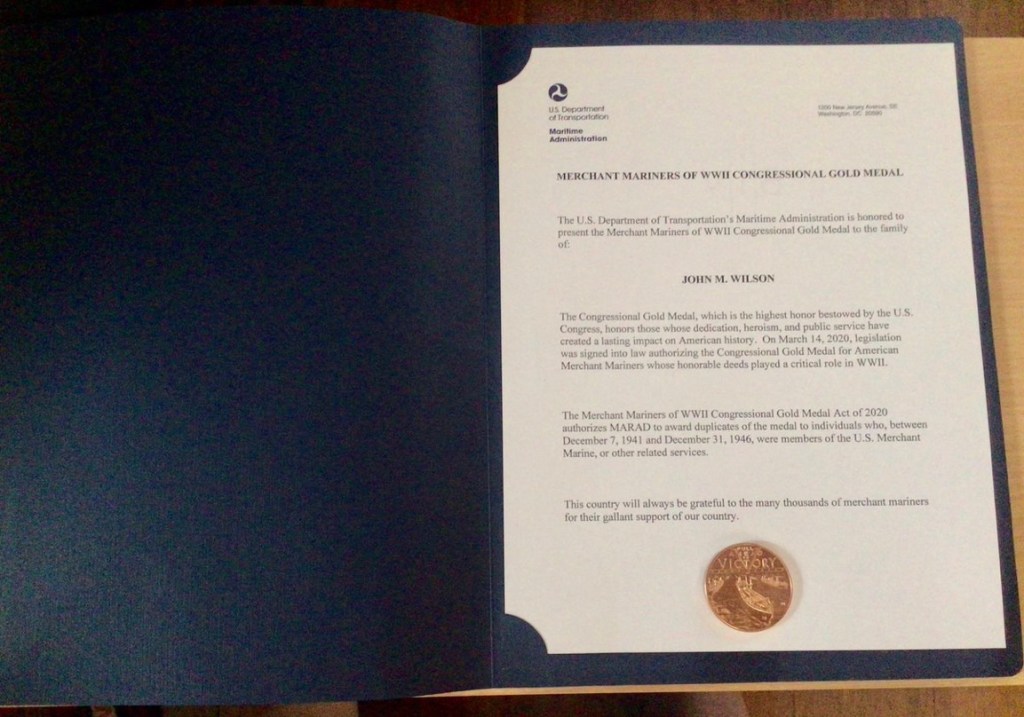
KEILA full ship movements records (PDF copy)
If you click on the hyperlinks:
You can see my grandfather’s merchant seaman trips as well as an acknowledgment of all his medals awarded inside this momentous document including mention to-and-from Trois Rivières, Québec. This is where he met my grandmother Nana and where my mother was born.
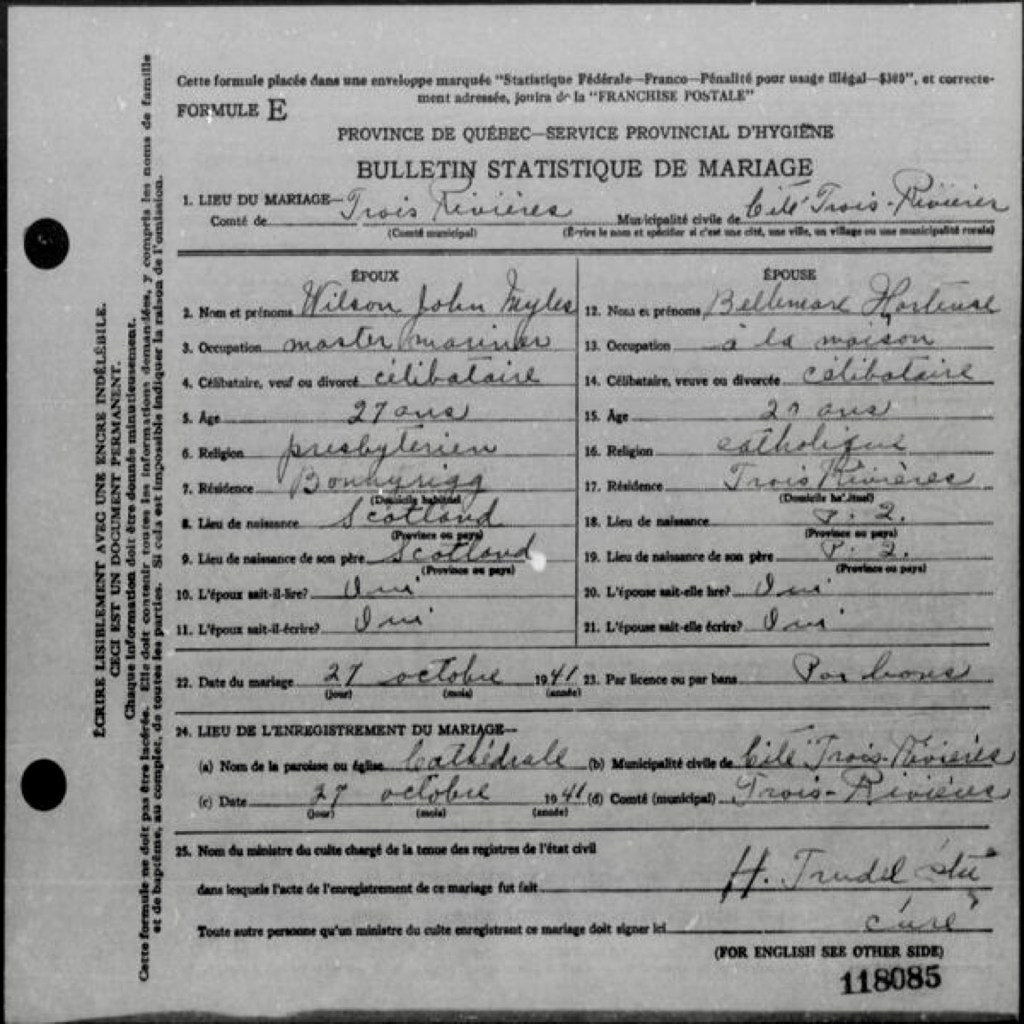
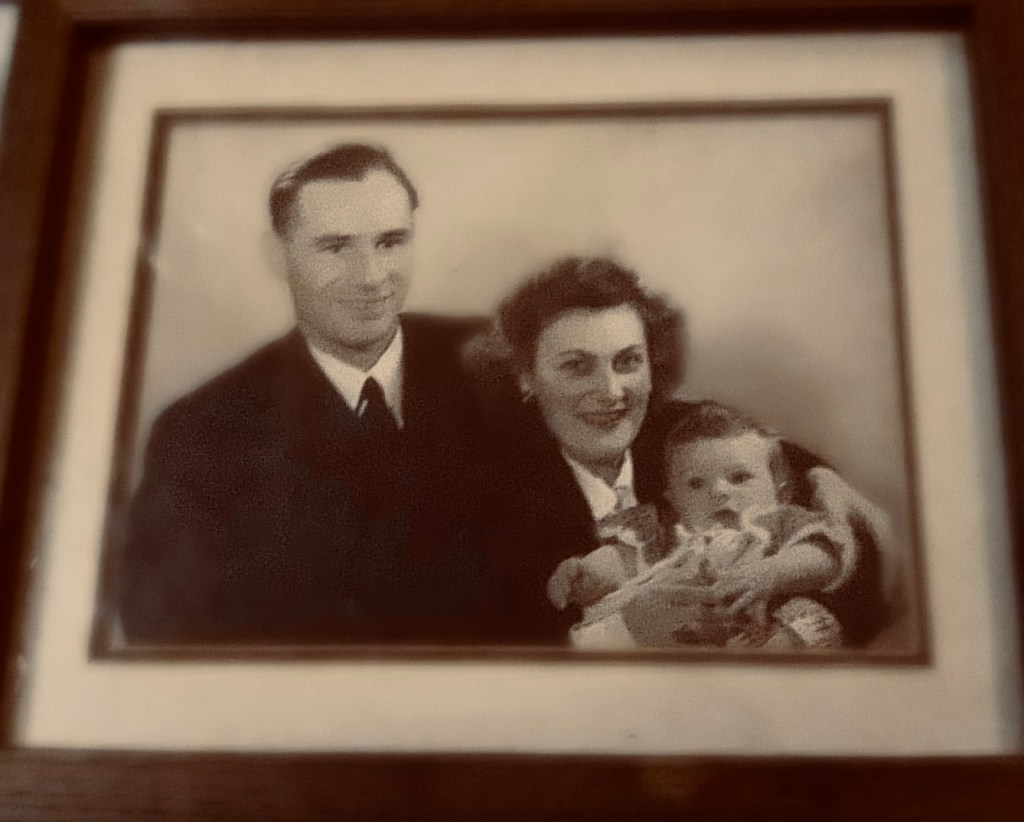
Read the interesting comment with the photo I include here (open hyperlink below photo).
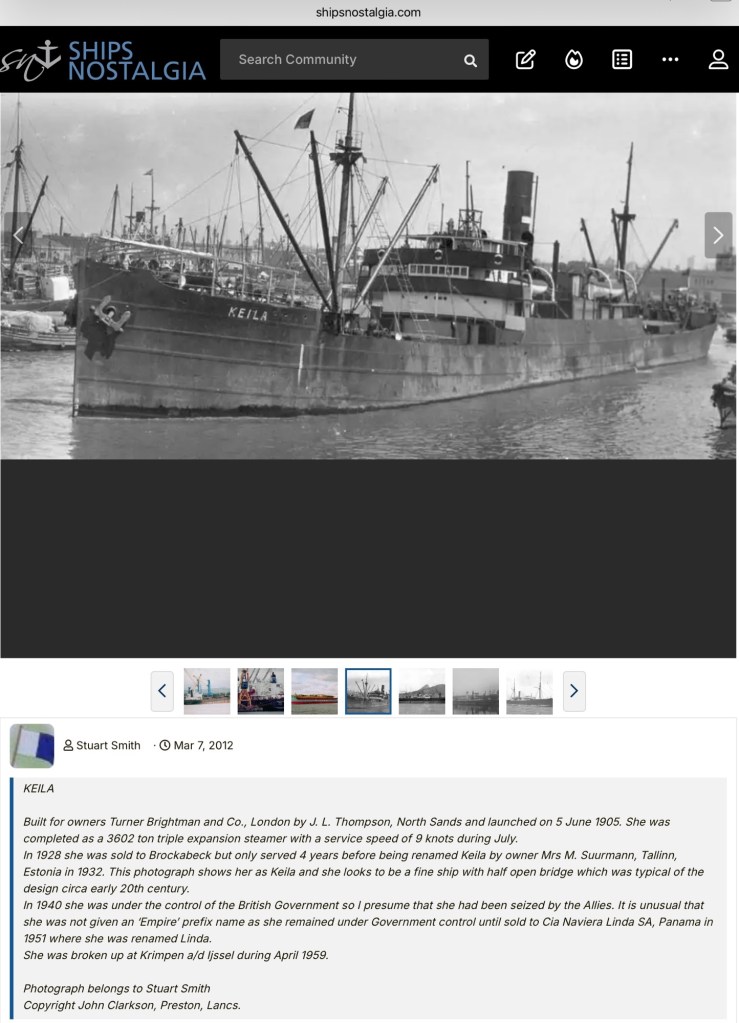
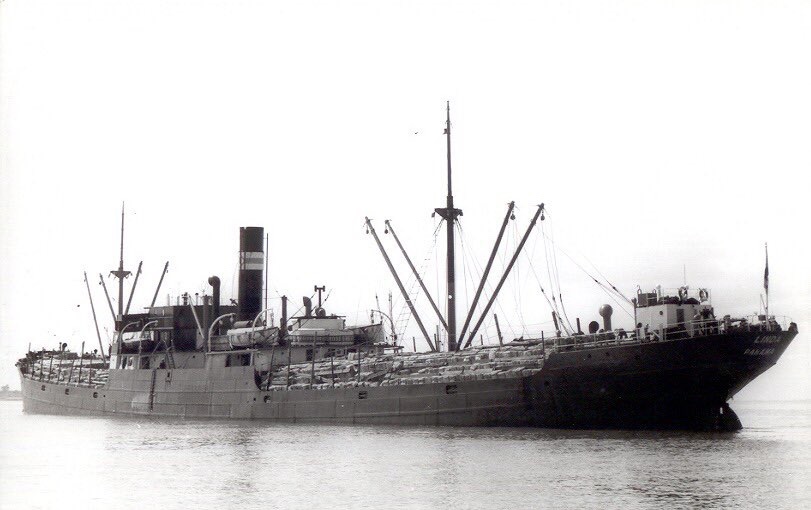
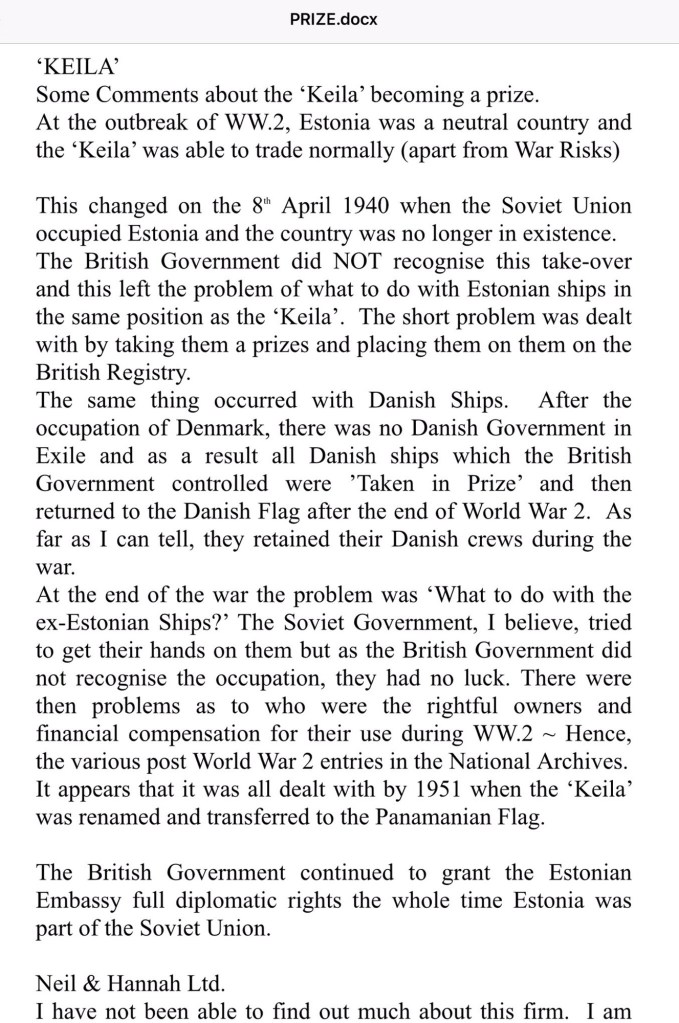
-30-


Leave a Reply